If you are getting dental implants, you are probably thinking about the big milestones. The surgery. The healing. The moment you can chew normally again. But there is a smaller detail that often makes a surprisingly big difference in comfort and long term success: how your gums are cared for during healing and maintenance.
That is where laser treatment comes in. Dental lasers are not a trendy add on or a cosmetic extra. In the right hands, they are a precise, gentle way to support healthier tissue, reduce inflammation, and help keep the area around dental implants clean, comfortable, and stable.
At Encino Dental Studio, we use laser treatment as part of modern implant care because it can make treatment feel smoother for patients and help us target gum concerns with accuracy. Think of it as a smarter tool for a very important job: protecting the foundation around your implant.
 Why gums matter so much with dental implants
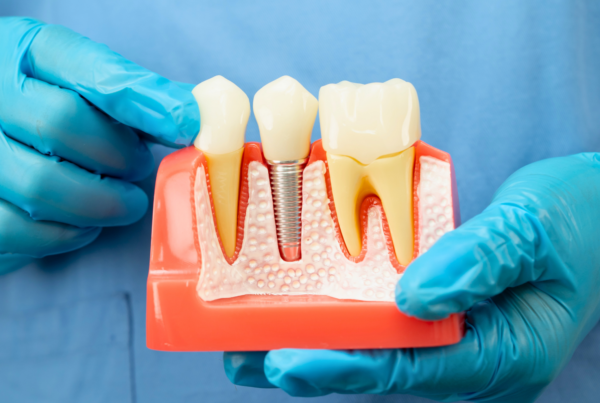
Dental implants do not get cavities, but they do depend on healthy gums and bone. The tissues around an implant can become irritated by plaque, bacteria, or a tight pocket that is hard to clean. When that irritation builds, it can lead to inflammation and infection around the implant, which is something we take seriously.
Healthy implant care is really gum care. The better we manage inflammation and bacteria around the implant, the better your chances of keeping your implant comfortable and strong for years.
Laser treatment for dental implants is often used to:
- Reduce bacterial load around the implant site
- Calm inflamed gum tissue
- Support faster, cleaner healing
- Treat peri implant mucositis or peri implantitis as part of a plan
- Make gum therapy feel less intense than some traditional approaches
Not every implant patient needs laser therapy, but when it is appropriate, it can be a game changer in comfort and tissue response.
Does laser treatment reduce pain and swelling after dental implants?
It can, depending on what stage you are in and what we are treating.
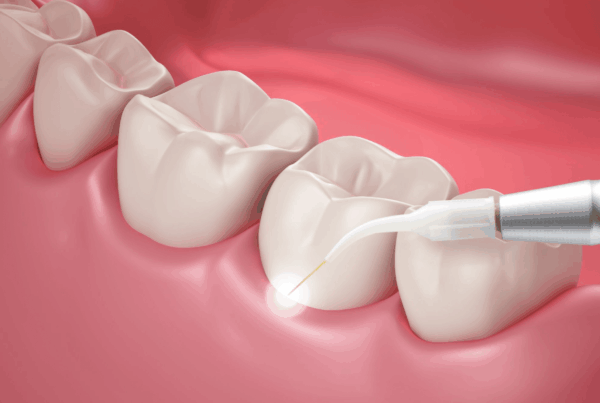
Laser treatment is often used because it is very targeted. Instead of scraping or cutting broadly, a dental laser can focus on inflamed tissue and bacteria in a controlled way. That typically means less disruption to surrounding tissue, which may translate into a calmer recovery for some patients.
Here is what many patients like about laser assisted implant care:
- Less gum irritation during treatment compared to more aggressive methods
- Reduced bleeding in certain procedures because lasers can help with tissue control
- A cleaner feel during healing because we are lowering bacteria in the area
- Less post treatment soreness for some patients, especially during gum therapy around implants
That said, let us be honest and practical. A laser is not a magic wand that removes all discomfort. If you just had implant surgery, some swelling and tenderness is normal. Laser treatment can be part of supporting healthy healing, but your comfort also depends on factors like your overall health, how complex the procedure was, and how well you can keep the area clean during recovery.
A helpful way to think about it: laser treatment can reduce “unnecessary inflammation” around an implant site. It helps us treat the gums with precision, which can support a smoother experience.
Quick tip for a calmer recovery
- Keep the area clean exactly as instructed.
- Stick to softer foods for the recommended period.
- Do not ignore lingering swelling, bleeding, or bad taste. Those can be signals we should see you sooner.
Is laser treatment safe around titanium dental implants?
This is one of the most searched questions for a reason. You want to protect your investment, and titanium implants are designed to last.
In general, laser treatment can be safe around titanium dental implants when the correct laser type and settings are used by a trained dental professional. Dental lasers vary, and so do techniques. The key is using a protocol meant for implant surfaces and surrounding tissues.
Why lasers can work well around implants:
- They can target infected or inflamed soft tissue without heavy mechanical trauma
- They can help reduce bacteria in pockets around implants
- They allow precision in areas where we want to be conservative
What matters most is expertise. Not every laser is used the same way, and not every implant situation is the same. If an implant has deep infection, bone loss, or complex inflammation, laser treatment may be one part of a broader treatment plan. The goal is always the same: protect the implant, stabilize the gums, and reduce harmful bacteria.
At Encino Dental Studio, we evaluate the tissue around your implant carefully and choose the safest approach for your specific situation, whether that includes laser therapy, traditional therapy, or a combination.
If you are wondering whether you are a good candidate, here are a few factors that can influence the plan:
- Depth of gum pockets around the implant
- Bleeding or swelling around the implant
- Signs of peri implant mucositis or peri implantitis
- Your home care habits and cleaning access
- Health factors like smoking history or uncontrolled diabetes
What’s the difference between laser treatment and traditional gum treatment for implants?
Traditional gum treatment and laser treatment are both designed to do the same core job: remove infection, reduce inflammation, and help the gums reattach or stabilize around the implant. The difference is often the method, the feel, and how the tissue responds.
Traditional gum treatment for implants may include:
- Professional cleaning around the implant with specialized instruments
- Irrigation to flush bacteria and debris
- Localized therapy to reduce infection
- In more advanced cases, surgical access to clean deeper areas
Laser treatment for dental implants may add:
- A more targeted way to disrupt bacteria in gum pockets
- Precision treatment for inflamed tissue
- A gentler approach in areas where mechanical scraping can be challenging
- Support for tissue comfort and healing response
Many patients describe laser assisted gum therapy as feeling more comfortable than traditional approaches, especially when the gums are already tender. Lasers can also be useful in tight areas around implant restorations where access is tricky.
Here is the important part: laser treatment is not always a replacement for traditional gum treatment. Often, the best dentistry is not either or. It is choosing the right combination for the specific problem.
A simple comparison
- Traditional therapy is excellent for physically removing buildup and smoothing the path for healing.
- Laser therapy can help reduce bacteria and inflammation in a precise way, often with less tissue irritation.
When we recommend laser treatment at Encino Dental Studio, it is because it supports the outcome we want: healthier gums and a more stable implant environment.
When might laser treatment be recommended for dental implants?
Laser treatment for dental implants is commonly considered in situations like:
1) Early inflammation around an implant
If your gums bleed when brushing near an implant or feel puffy, that can be a sign of peri implant mucositis. Catching it early matters. Laser therapy may help calm the tissue and reduce bacteria before it progresses.
2) Deep pockets or recurring irritation
Some implant areas are harder to clean. If inflammation keeps returning, laser therapy can be part of a strategy to reduce bacterial buildup.
3) Support during implant maintenance
Implants need professional maintenance just like natural teeth. Laser therapy may be used selectively to support gum health during ongoing care.
4) Gum therapy that needs a more conservative touch
For patients who are anxious about sensitivity, or for sites where the tissue is delicate, laser treatment can be a gentler option.
What you might notice when the gums around an implant need attention
- Bleeding when brushing or flossing near the implant
- Swollen or tender gum tissue
- Bad taste or persistent bad breath
- Gum recession around the implant crown
- A feeling that the implant area is “off,” even if it does not hurt
If you notice any of these, do not wait for it to get worse. Early treatment is usually simpler.
What does laser treatment feel like?
Most patients describe it as manageable and easier than they expected. Depending on what we are treating, you may feel warmth or mild pressure. Some cases require numbing, and some do not. The goal is always comfort plus precision.
After treatment, you might have mild tenderness, but many people return to normal activity quickly.
Your at home role matters too
Laser treatment can support healing, but what you do at home keeps the results going.
A few basics that make a real difference:
- Brush gently but thoroughly around the implant area.
- Use floss or implant safe cleaning tools as recommended.
- Keep maintenance visits consistent.
- Let us know quickly if bleeding or swelling returns.
Protect your implant investment with the right support
Dental implants are meant to feel like a fresh start. Laser treatment can be one of the tools that helps keep that promise by supporting healthier gums, reducing inflammation, and making gum therapy around implants more comfortable.
If you have a dental implant and you have noticed bleeding, swelling, or tenderness, or if you are planning implants and want the smoothest healing process possible, we are here to help.
Schedule an appointment with Encino Dental Studio today to see whether laser treatment for dental implants makes sense for your situation. We will evaluate your gums, your implant health, and your goals, then recommend a plan that protects your smile for the long run.