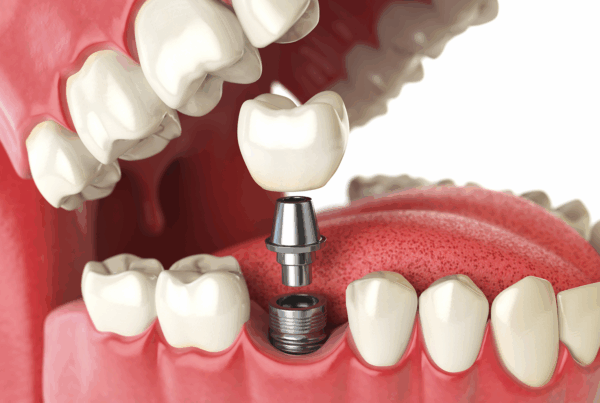
Dental implants are designed to be strong, stable, and long lasting. For many people, they truly feel like getting their natural tooth back. So when an implant starts to feel uncomfortable, inflamed, or loose, it can be both surprising and unsettling.
You may notice soreness around the implant. You might see redness or swelling in the gums. Maybe you are experiencing bleeding when brushing, a strange taste, or discomfort when chewing. These signs can raise an important question.
Is my implant failing, and can anything be done to save it?
One treatment option that has changed how dentists approach early and moderate implant problems is laser therapy. Dental lasers allow dentists to clean, disinfect, and treat infected tissue around implants with high precision and minimal trauma. In many cases, laser treatment can slow or stop the disease process and help preserve the implant.
At Encino Dental Studio, we believe patients deserve clear information, thoughtful care, and modern solutions. Let’s take a closer look at why implants fail, how laser therapy works, and when it may or may not be enough.
Understanding Why Dental Implants Fail
Dental implants do not decay the way natural teeth do, but they are still vulnerable to problems involving the surrounding bone and gum tissue.
One of the most common causes of implant trouble is peri-implant disease, which is similar to gum disease around natural teeth.
There are two main forms:
- Peri-implant mucositis
Inflammation of the gum tissue around the implant without bone loss. - Peri-implantitis
Inflammation plus progressive bone loss around the implant.
If left untreated, peri-implantitis can weaken the bone that supports the implant, eventually leading to loosening or failure.
Other contributing factors may include:
- Inadequate oral hygiene
- Smoking or vaping
- Poorly controlled diabetes
- Excessive bite forces or grinding
- Cement residue left under crowns
- Improper implant positioning
- Thin or compromised bone
The earlier the problem is identified, the better the chance of saving the implant.
 How Laser Therapy Changes the Way Implant Infections Are Treated
Dental lasers emit concentrated light energy that can target infected tissue and bacteria with remarkable precision.
When used around dental implants, lasers can:
- Destroy harmful bacteria
- Remove diseased tissue
- Reduce inflammation
- Promote healthier tissue healing
- Preserve more of the surrounding bone
All while minimizing damage to healthy tissue.
Think of laser therapy as a highly controlled, ultra-precise cleaning and disinfection process that reaches areas traditional tools cannot.
Can laser therapy save a dental implant that already feels loose?
A loose implant is a serious sign, but it does not automatically mean the implant must be removed.
Whether laser therapy can help depends on several factors:
- How much bone has already been lost
- Whether the implant is still partially integrated
- The severity of infection
- Your overall health and healing capacity
When Laser Therapy May Help
Laser treatment is more likely to be effective if:
- The implant is only mildly mobile or feels unstable under pressure
- Bone loss is limited or moderate
- Infection is present but not advanced
- The implant threads are still mostly supported by bone
In these cases, laser therapy combined with deep cleaning and antimicrobial protocols may reduce infection and allow remaining bone to stabilize.
Many patients are surprised to learn that an implant that feels “off” does not always need to be removed right away.
When Laser Therapy May Not Be Enough
If the implant is significantly loose, has extensive bone loss, or has lost integration with bone, laser therapy alone may not be able to restore stability.
However, even in these situations, lasers can still be useful for:
- Reducing infection before removal
- Preserving surrounding bone
- Improving conditions for future implant replacement
A thorough clinical exam and imaging are essential to determine what stage the implant is in.
How does laser treatment clean around an implant without damaging it?
Dental implants are typically made from titanium or titanium alloys, which are highly durable and biocompatible. Modern dental lasers are carefully calibrated to interact with bacteria and soft tissue while being safe for implant surfaces.
What Laser Energy Targets
- Bacterial cell walls
- Infected soft tissue
- Inflammatory byproducts
What Laser Energy Avoids
- Healthy bone
- Clean implant surfaces
- Surrounding intact gum tissue
This selectivity is what makes laser therapy especially valuable around implants.
Step by Step: What Laser Implant Therapy Often Involves
While each case is unique, treatment commonly includes:
- Clinical evaluation and imaging
- Local anesthesia for comfort
- Mechanical cleaning of the implant surface
- Laser decontamination of the implant and surrounding tissue
- Irrigation with antimicrobial solutions
- Possible application of regenerative materials
- Follow-up visits to monitor healing
The procedure is typically quicker and more comfortable than traditional surgical approaches.
Benefits of Laser Treatment for Implant Infections
Patients often appreciate laser therapy because it offers:
- Less bleeding
- Reduced post treatment discomfort
- Faster healing
- Minimal swelling
- Lower risk of damaging healthy tissue
- High precision
For many people, it feels more approachable than conventional surgical flap procedures.
When is laser treatment enough, and when is implant removal unavoidable?
This is one of the most important questions patients ask.
The honest answer is that laser therapy is powerful, but it is not magic. It works best when problems are caught early or at a moderate stage.
Laser Treatment Is Often Enough When
- Infection is localized
- Bone loss is limited
- Implant stability is mostly intact
- There are no major structural issues with the implant
In these cases, laser therapy can halt disease progression and extend the life of the implant.
Implant Removal Is More Likely When
- The implant is severely loose
- Bone loss is advanced
- The implant is fractured
- Repeated infections persist despite treatment
When removal is necessary, it does not mean you are out of options. Many patients can receive bone grafting and later place a new implant under healthier conditions.
The goal is always to preserve what can be saved and rebuild what cannot.
What Recovery Looks Like After Laser Implant Therapy
Most patients experience mild tenderness for a day or two.
Common post treatment experiences may include:
- Slight gum soreness
- Minimal swelling
- Temporary sensitivity
Many people return to normal activities the same day.
Your dentist may recommend:
- Antimicrobial mouth rinses
- Specific brushing techniques
- Temporary dietary modifications
- Follow-up appointments
Good home care is essential to support healing.
How to Reduce the Risk of Implant Problems in the Future
Once an implant has shown signs of trouble, prevention becomes even more important.
Healthy implant maintenance includes:
- Brushing twice daily with proper technique
- Flossing or using interdental cleaners
- Using a water flosser if recommended
- Attending regular professional cleanings
- Avoiding smoking or vaping
- Wearing a night guard if you grind your teeth
Implants need professional monitoring just like natural teeth.
Why Early Attention Makes Such a Big Difference
One of the biggest reasons implants fail is delayed care.
It is easy to ignore mild bleeding or slight soreness. Many people assume it will resolve on its own.
Unfortunately, peri-implant disease often progresses silently.
The earlier you seek care, the more options you have.
Laser therapy is most effective before extensive bone loss occurs.
What Makes Laser Technology a Valuable Tool at Encino Dental Studio
At Encino Dental Studio, we invest in modern technology because it allows us to provide more precise, conservative, and comfortable care.
Laser therapy supports our philosophy of:
- Preserving natural structures whenever possible
- Reducing invasive procedures when alternatives exist
- Tailoring treatment to each individual
Every implant case is evaluated carefully. If laser therapy is appropriate, we discuss what it can realistically accomplish and what additional steps may be needed.
A Reassuring Truth for Anyone Worried About Their Implant
Hearing that an implant may be failing can feel overwhelming. Many patients fear that failure automatically means starting over.
That is often not the case.
Today’s technology allows us to intervene earlier, treat infection more precisely, and in many cases, save implants that would have been lost in the past.
Laser therapy has changed what is possible.
When to Schedule an Evaluation
Consider scheduling a dental visit if you notice:
- Bleeding around an implant
- Redness or swelling
- Bad taste or odor
- Gum tenderness
- Sensitivity when chewing
- Any movement of the implant
These signs deserve prompt attention.
Let’s Protect Your Smile
If you are concerned about a dental implant or have been told it may be failing, you do not have to navigate this alone.
Schedule a consultation with Encino Dental Studio to learn whether laser treatment or another solution may be right for you. Together, we can evaluate your implant, discuss your options, and create a plan focused on preserving your oral health and your smile.