A lot of dental issues can wait a day or two. A little sensitivity when you drink something cold, mild gum irritation, or a chipped corner that does not hurt may not need immediate care.
But then there are the moments that feel different.
You wake up with throbbing tooth pain that seems to pulse through your whole face. You bite down and something suddenly cracks. A crown falls off right before an important event. Your child gets hit in the mouth during sports. Your cheek starts swelling, and now you are wondering whether this is just uncomfortable or something more serious.
That is where emergency dentistry comes in.
At Encino Dental Studio, emergency dentistry is about more than squeezing someone into the schedule. It is about identifying what is happening, easing pain, protecting your oral health, and stepping in quickly enough to prevent a bad situation from getting worse. In many cases, acting fast can mean the difference between a simple fix and a much bigger treatment later on.
What qualifies as a dental emergency?
This is one of the biggest questions people ask, and for good reason. Not every dental problem is an emergency, but some absolutely are.
In general, a dental emergency is any issue involving severe pain, bleeding, swelling, infection, or damage that needs prompt care to protect your tooth, gums, or overall health.
Some of the most common dental emergencies include:
- Severe tooth pain that does not go away
- A knocked-out tooth
- A cracked, broken, or fractured tooth
- Swelling in the gums, face, or jaw
- An abscess or signs of infection
- Uncontrolled bleeding in the mouth
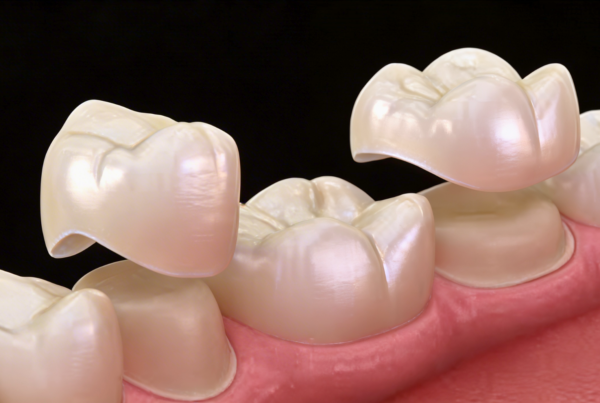
- A lost filling, crown, or restoration causing pain or exposure
- Injuries to the lips, gums, cheeks, or tongue
- Jaw pain or trauma after an accident
It helps to think of it this way: if the problem is intense, getting worse, or making it hard to eat, sleep, speak, or function normally, it deserves attention sooner rather than later.
A toothache, for example, is not always an emergency. But if it is keeping you up at night, making your face ache, or coming with swelling or fever, that changes things. The same goes for a chipped tooth. A tiny chip with no pain may be manageable for a short time, while a deep crack that exposes the inner tooth or causes sharp pain needs immediate treatment.
Pain is your body’s way of asking you to pay attention. In dentistry, ignoring that signal can let infection spread, cracks deepen, or damaged teeth become harder to save.
When should you seek emergency dental care right away?
Some situations should not be monitored at home for days while you hope they settle down. They need prompt evaluation.
You should seek emergency dental care right away if you have:
- A knocked-out tooth
This is one of the clearest dental emergencies. A knocked-out permanent tooth has the best chance of being saved when treated quickly. Handle it carefully by the crown, not the root, and try to get dental care as soon as possible. - Facial swelling
Swelling around the gums, jaw, or cheek can be a sign of infection. Dental infections are not something to brush off, especially if the swelling is growing, painful, or paired with fever or a bad taste in the mouth. - Severe, persistent tooth pain
Pain that is intense, constant, or throbbing usually points to a deeper issue such as infection, nerve irritation, or advanced decay. This is especially true if over-the-counter pain relief is not helping. - Heavy bleeding
If your mouth is bleeding and it does not stop with gentle pressure, you should be seen quickly. Bleeding after trauma is especially important to evaluate. - A broken tooth with pain or exposed inner layers
A fractured tooth is not just a cosmetic problem. Once the inner structure is exposed, the tooth becomes more vulnerable to infection and further damage. - Signs of an abscess
An abscess may show up as swelling, pus, a pimple-like bump on the gums, severe pain, bad breath, or a foul taste. Left untreated, infection can spread beyond the tooth. - Trauma after a fall, accident, or sports injury
Even if you are unsure whether the tooth is badly damaged, trauma should be checked. Some cracks and injuries are not obvious right away.
Here is a simple rule: if you are debating whether it is serious, it is worth calling. It is much better to be told something can wait than to delay care for something that should have been treated immediately.
How can emergency dentistry help save your tooth and relieve pain?
One of the biggest misconceptions about emergency dentistry is that it only offers a temporary patch. In reality, emergency care often plays a major role in saving teeth, stopping infection, and getting real relief fast.
The first priority is usually to identify the cause of the problem. Tooth pain can come from several issues, including deep decay, infection, a cracked tooth, gum problems, or trauma. Once the cause is clear, treatment can be targeted instead of guessed at.
Depending on the situation, emergency dentistry may involve treating infection, stabilizing or repairing a damaged tooth, recementing or replacing a crown, addressing exposed nerves, draining an abscess when appropriate, performing root canal treatment, extracting a tooth when it cannot be saved, and managing pain and inflammation.
When care happens early, dentists often have more options, and that matters. For example, a cracked tooth that is treated quickly may be protected with a crown before the damage spreads deeper. A tooth with an infected nerve may be saved with root canal treatment if treated in time. A knocked-out tooth may even be reimplanted under the right conditions. But once infection spreads or the tooth structure breaks down too far, the treatment path can become more complex.
Emergency dentistry is not just about reacting. It is about limiting damage.
It also brings something people desperately want in the middle of a dental crisis: relief. Anyone who has had severe dental pain knows how consuming it can be. It can affect sleep, concentration, appetite, work, and even your mood. Getting the right treatment can bring relief far more effectively than trying to manage everything with home remedies or pain medication alone.
What to do before your emergency appointment
While you are waiting to be seen, a few simple steps may help. If a tooth has been knocked out, hold it by the crown rather than the root. If possible, gently rinse it and keep it moist. If you are dealing with swelling, use a cold compress on the outside of the face. If there is bleeding, apply gentle pressure with clean gauze. For a broken tooth, rinse your mouth with warm water and avoid chewing on that side. If you have tooth pain, keep the area clean and avoid very hot, cold, or sugary foods that may make the discomfort worse.
These steps do not replace treatment, but they can help protect the area until you get professional care.
Do not wait and hope it disappears
Dental emergencies have a way of disrupting everything. They rarely happen at convenient times, and they tend to bring stress with them. But getting prompt care can make the situation far more manageable.
If you are in pain, dealing with swelling, have damaged a tooth, or are worried that something is not right, do not wait for it to turn into a bigger problem. The sooner you get evaluated, the sooner you can get answers, relief, and the right treatment plan.
At Encino Dental Studio, we are here to help when something feels urgent and cannot be ignored. Schedule an appointment today so our team can assess the issue, relieve your discomfort, and help protect your smile before the problem gets worse.