A dental crown is supposed to feel like a fresh start. A stronger bite. A tooth you do not have to worry about every time you chew.
But there is one part of the story people rarely talk about until something feels off: the gumline.
Crowns sit right where tooth and gum “shake hands.” If that handshake stays clean and snug, your crown can feel effortless for years. If it gets irritated, even a well-made crown can start to feel like it is constantly asking for attention.
At Encino Dental Studio, we see this all the time. The good news is that most crown and gum problems are preventable, and many are very fixable once you know what is actually going on.
 Crowns and gum health: what really matters
Your gums do not care that a crown is “new.” They care about fit, contour, cleanliness, and pressure.
A crown affects gum health in a few key ways:
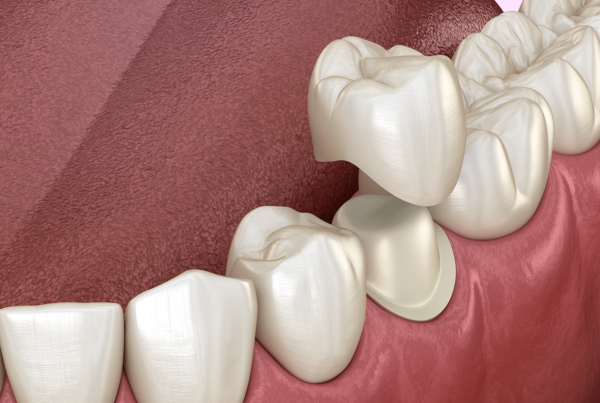
- Where the crown edge sits. This edge is called the margin. If it is too close to the gum, too rough, or hard to clean, the gum can stay inflamed.
- How the crown is shaped. A crown that is a bit bulky near the gum can trap plaque. A crown that is slightly under-contoured can let food pack into the area.
- How your bite hits. If the crown takes extra force when you bite or grind, the tissues around the tooth can become tender and reactive.
- How you clean around it. Crowns do not get cavities the same way natural teeth do, but the tooth underneath and the gum around it absolutely can still get problems.
A crown is only as successful as the gum health around it. That gumline is what protects the underlying tooth and bone, and it is what keeps the crown comfortable.
Signs your gums are not loving your crown
A sore gum around a crown can be as simple as mild inflammation, or it can be an early warning sign that something needs adjusting. Common signs include:
- Tenderness when brushing or flossing around the crown
- Bleeding at the gumline
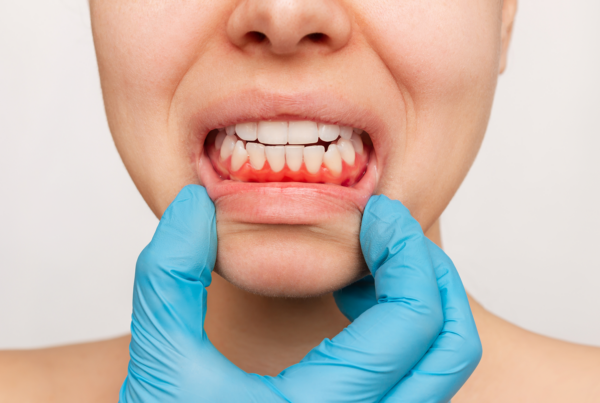
- A “puffy” look around one crowned tooth
- Bad taste or persistent bad breath that seems localized
- Food packing around that crown more than other teeth
- Gum recession that makes the crown edge more noticeable
If you are seeing any of these, it does not automatically mean the crown failed. It means your gumline is asking for attention.
 Why is my gum sore around my crown?
A sore gum around a crown usually comes down to one of a few causes. Here are the most common ones we see, and what they typically feel like.
1) Plaque trapped at the crown margin
Crowns create tiny changes in the shape of your tooth near the gumline. If plaque builds there, the gum gets inflamed quickly. This often shows up as bleeding with brushing or flossing and a dull, achy tenderness.
2) The margin is irritating the gum
If the crown edge sits a little too close to the gum, or the surface is not as smooth as it should be, the gum can stay chronically sore. This can feel like a nagging “pinched” irritation in one spot.
3) Bite pressure or grinding
If your crown is hitting first when you chew, the tooth can feel sore and the gum can feel sensitive around it. Nighttime grinding can do the same. Sometimes people describe this as soreness that is worse in the morning.
4) Cement or residue left behind after placement
This is more common than you would think, especially when the crown margin is near the gumline. A tiny leftover bit of cement can irritate the gum and cause swelling or bleeding that does not settle.
5) An underlying gum infection or early periodontal issue
Sometimes the crown is not the true cause, it is just the tooth you notice. If gum disease is starting, crowned teeth can show symptoms because plaque likes to hide at the gumline.
What to do right now if your gum is sore around a crown
- Brush gently but thoroughly at the gumline with a soft toothbrush.
- Floss daily, and consider a floss threader or water flosser if the area is tight.
- Warm saltwater rinses can calm irritated tissue short term.
- Do not “avoid” the area for days. That usually makes inflammation worse.
If soreness lasts more than a week, or if it is getting worse, it is worth having your dentist check the crown and the bite.
 Should there be a gap between my crown and gum?
This is one of the most searched crown questions because people notice tiny changes and immediately assume something is wrong.
Here is the truth: you should not have a visible open gap that traps food, but your gumline also should not be painfully “sealed” or compressed.
A healthy crown and gum relationship usually looks like this:
- The gum sits snug against the crown, like it would around a natural tooth.
- The crown edge is hidden at or slightly below the gumline in many cases.
- You can floss through with a normal amount of resistance, not shredding floss and not leaving a wide open space.
What can create the feeling of a gap?
- Normal healing after crown placement, especially if the area was inflamed beforehand.
- Gum recession, which exposes more of the crown.
- Crown contour issues, where the shape does not support the gum the way it should.
- Bone loss from gum disease, which can make spaces appear over time.
A quick self-check: If you are constantly getting food stuck in one specific spot by the crown, that is not something to ignore. Food packing is not just annoying, it can drive inflammation and recession.
 How can I prevent my gums from receding around my crown?
Gum recession around a crown is not only a cosmetic issue. It can expose the crown margin, make the tooth look longer, and create a spot that is harder to keep clean.
The goal is simple: keep the gum calm, keep the area clean, and keep forces balanced.
Daily habits that protect your gums around crowns
Use these consistently and you will dramatically lower your risk of recession.
- Brush with a soft toothbrush and light pressure at the gumline. Scrubbing is one of the fastest ways to encourage recession.
- Angle your brush toward the gumline for gentle, thorough cleaning where plaque collects.
- Floss once a day, and do it correctly. Slide the floss down, curve it into a C-shape around the tooth, and move it gently under the gumline.
- Consider a water flosser if you have multiple crowns, tight contacts, or gum sensitivity.
- Do not ignore bleeding. Bleeding is usually inflammation, not “just brushing too hard.”
Crown-specific things that matter more than people realize
- Check your bite after placement. Even a slight high spot can cause ongoing irritation and tenderness.
- Ask about a nightguard if you clench or grind. Crowns take force differently than natural enamel.
- Get regular cleanings. Crown margins are plaque magnets. Professional cleanings help keep the seal healthy.
If you already see recession
Recession does not always mean disaster, but it does mean you should act early. Depending on the cause, your dentist may recommend:
- A bite adjustment
- Gum therapy for inflammation
- Improved at-home tools for better cleaning
- A nightguard for grinding
- Evaluating whether the crown contour or margin needs improvement
The earlier you address recession, the more predictable the solution tends to be.
 The crown is not the problem, the environment is
Most crown issues are not really “crown issues.” They are environment issues.
A crown placed into an inflamed gum environment stays inflamed. A crown that is hard to floss around invites plaque. A crown that takes too much bite pressure creates soreness.
That is why the best crown work is not only about strength and appearance. It is also about how the gumline is treated, shaped, and supported.
If your gums feel irritated around a crown, that is not something you have to tolerate. It usually has a specific cause, and it is often straightforward to fix once it is identified.
When to book an appointment
Some crown and gum symptoms can be watched for a few days. Others deserve a quick exam.
Schedule a visit if you notice:
- Gum soreness that lasts more than a week
- Bleeding that keeps returning around the crown
- A persistent bad taste or swelling near the gumline
- Food packing around the crown
- Gum recession that seems to be progressing
- Pain when biting or a “high” bite sensation
At Encino Dental Studio, we can check the crown margins, evaluate gum health, and make sure your bite is not overloading that tooth. If the issue is hygiene-related, we can show you exactly how to clean around the crown without irritating the gumline.