A damaged tooth can affect a lot more than your smile.
It can change how you eat, how clearly you speak, and even how comfortable you feel day to day. Some people start chewing on one side. Others avoid certain foods. Some simply get used to discomfort and assume it is something they have to live with.
The good news is that you usually do not have to.
Restorative dentistry is all about repairing teeth, replacing missing teeth, and helping your mouth function the way it should. At Encino Dental Studio, restorative dental treatment is not just about fixing a problem. It is about helping you feel comfortable again, protect your long-term oral health, and get back to living without constantly thinking about your teeth.
Whether you have a cavity, a cracked tooth, worn enamel, or missing teeth, the right restorative dentistry treatment can make a real difference.
 What is restorative dentistry, and what procedures does it include?
Restorative dentistry focuses on repairing or replacing teeth that are damaged, decayed, weak, or missing. The goal is to restore the health, function, and structure of your smile.
In simple terms, restorative dental care helps your teeth do their job again.
Common restorative dentistry procedures include:
- Dental fillings for cavities and minor tooth damage
- Dental crowns to protect and strengthen weak or broken teeth
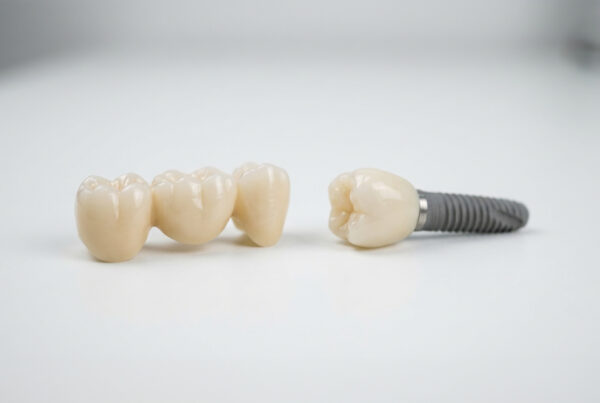
- Dental bridges to replace one or more missing teeth
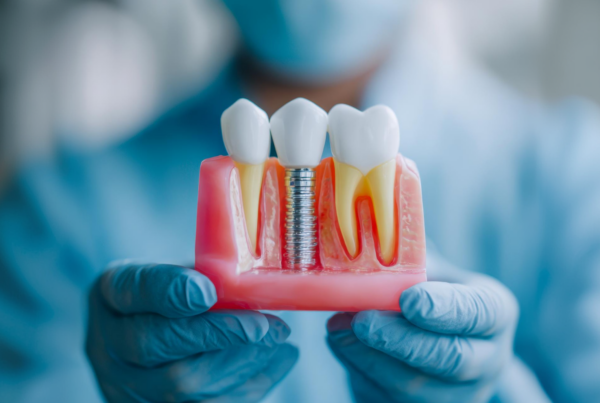
- Dental implants to replace missing teeth at the root and crown level
- Inlays and onlays for damage that is too large for a filling but does not require a full crown
- Root canal treatment to save an infected tooth
- Dentures (full or partial) to replace multiple missing teeth
Each treatment serves a different purpose, but they all fall under the umbrella of restorative dentistry because they help rebuild function and protect your oral health.
Why restorative dentistry matters
When a tooth is damaged or missing, the issue often gets worse over time if it is left untreated. For example:
- A small cavity can become a larger cavity
- A crack can deepen
- A missing tooth can cause neighboring teeth to shift
- Bite imbalance can lead to jaw strain or uneven wear
That is why restorative dental treatment is not only about repairing current problems. It is also about preventing bigger ones later.
A well-timed restoration can save you time, money, and discomfort in the future.
How do I know if I need restorative dental treatment?
Some signs are obvious, like a broken tooth or a missing tooth. Others are easier to ignore, especially if they come and go.
If you are wondering whether you may need restorative dentistry, here are some common signs to pay attention to.
You may need restorative dental treatment if you have:
- Tooth pain or sensitivity, especially when eating hot, cold, or sweet foods
- A visible cavity or dark spot on a tooth
- A chipped, cracked, or broken tooth
- Pain when biting down
- Missing teeth
- Loose dental work, such as an old filling or crown
- Difficulty chewing comfortably
- Food getting trapped in a specific area repeatedly
- A tooth that feels weak or worn down
- Swelling or signs of infection, such as gum tenderness near a tooth
Sometimes there is no pain at all, which is why regular dental exams are so important. A tooth can have decay, internal damage, or a developing crack before it starts to hurt.
Do not wait for severe pain
A lot of patients wait until a problem becomes urgent because they are busy or hoping it will settle on its own. That is understandable, but dental issues rarely improve without treatment.
Early restorative dentistry treatment is often simpler and more conservative. For example, catching decay early may mean a filling instead of a crown or root canal later.
If something feels off, even if it is mild, it is worth getting checked. A quick exam can help you understand what is going on and what your options are.
What is the difference between restorative and cosmetic dentistry?
This is a very common question, and it is a good one.
Restorative dentistry and cosmetic dentistry can sometimes overlap, but they are not the same thing.
Restorative dentistry focuses on function and health
The main goal of restorative dental treatment is to:
- Repair damage
- Treat decay or infection
- Replace missing teeth
- Restore normal chewing and speaking
- Protect remaining tooth structure
If a tooth is cracked, decayed, or missing, restorative dentistry addresses the problem so your mouth functions properly again.
Cosmetic dentistry focuses on appearance
Cosmetic dentistry is usually done to improve the look of your smile, such as:
- Whitening stained teeth
- Reshaping teeth
- Closing small gaps
- Improving symmetry
- Enhancing overall smile appearance
That said, some treatments can be both restorative and cosmetic. For example, a dental crown can strengthen a damaged tooth and also improve how it looks. A dental implant replaces a missing tooth functionally, but it also restores your smile’s appearance.
Why the difference matters
Understanding the difference helps you set the right expectations.
If your tooth is hurting, broken, or infected, you likely need restorative dentistry first. Once your oral health is stable, cosmetic options can be discussed if you want to improve appearance further.
At Encino Dental Studio, the best treatment plans are built around what your smile needs most first, then what you want it to look like.
Restorative dentistry is about more than fixing teeth
Many people think restorative dental care is just a repair job. In reality, it can improve daily life in ways that feel surprisingly personal.
Patients often notice benefits like:
- More comfortable chewing
- Less sensitivity
- Better confidence when smiling or speaking
- Improved bite balance
- Less worry about a tooth getting worse
When your teeth are not causing pain or stress, everyday things feel easier. Eating out, talking in meetings, smiling in photos, and sleeping without discomfort can all feel more normal again.
That is a big deal.
What to expect when you come in for restorative dentistry
If you have been putting off treatment, you are not alone. Many people delay care because they are worried about cost, discomfort, or hearing that they need more work than expected.
A good restorative dentistry visit starts with clarity.
At your appointment, your dentist will typically:
- Examine your teeth and gums
- Take digital X-rays if needed
- Identify the source of the problem
- Explain your treatment options
- Recommend a plan based on your needs, comfort, and goals
The right approach depends on your situation. Some people need a simple filling. Others may need a crown, implant, or a phased plan to restore multiple teeth over time.
The key is that you do not have to figure it out on your own.
Restore your smile with Encino Dental Studio
If you have tooth pain, damaged teeth, or missing teeth, restorative dentistry can help you get back to comfort, function, and confidence.
At Encino Dental Studio, we focus on treatment that supports your oral health and fits your real life. Whether you need a small repair or a more complete restorative dental plan, the goal is the same: to help your smile feel strong and work well again.
Schedule an appointment with Encino Dental Studio today to find out which restorative dentistry treatment is right for you. The sooner you address the issue, the easier it may be to treat.